Iris Neumann · 14 September 2026
Asian Markets Offer New Pathways for UK Timber Exporters Amid Tightening Domestic Supplies
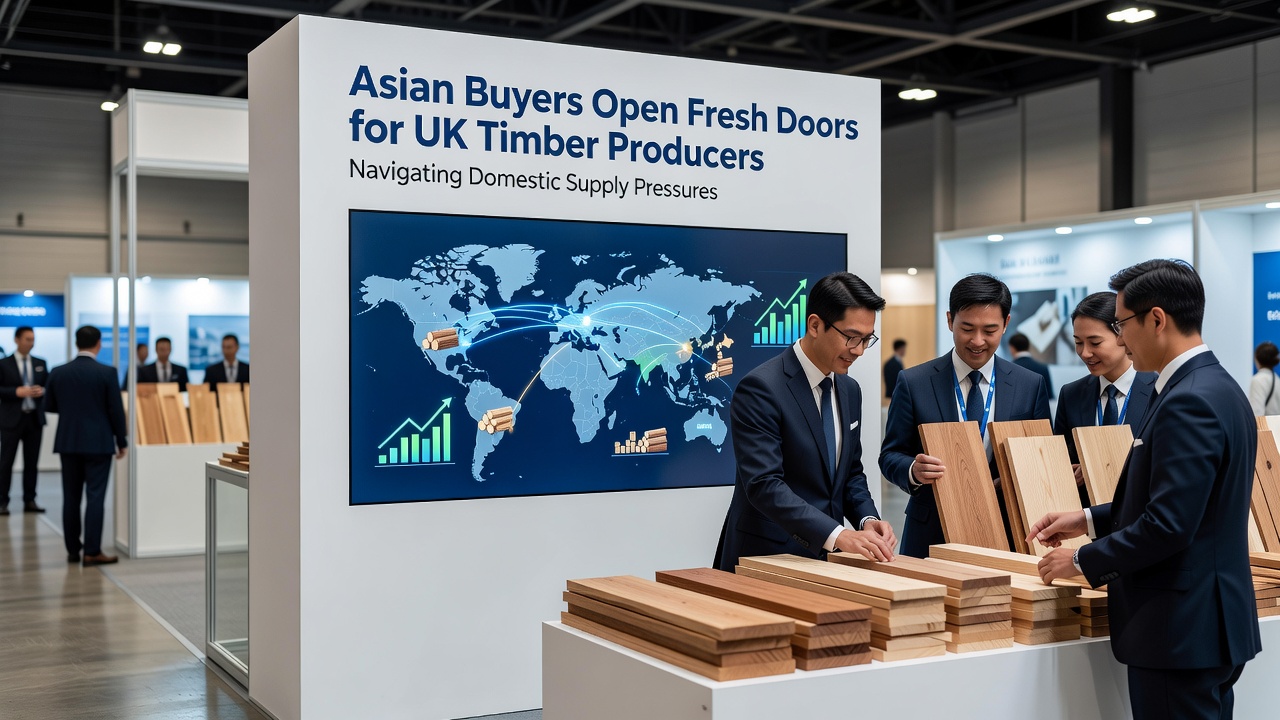
UK timber producers have turned attention toward Asian buyers as domestic supply chains face constraints from weather events, regulatory changes, and competing land uses, while data from September 2026 shows rising shipment volumes to markets in Japan, South Korea, and China. Export figures released that month indicated a 14 percent increase in softwood consignments compared with the same period in 2025, driven largely by steady demand from construction sectors across East Asia.
Supply pressures at home stem from several documented sources. Prolonged wet weather through early 2026 reduced harvesting windows in Scotland and northern England, according to records maintained by the Forestry Commission, while new biodiversity rules limited felling permits in protected zones. At the same time, housing construction in the UK continued to draw on available stock, leaving less material for traditional domestic buyers.
Shifting Trade Patterns Documented in Recent Reports
Trade statistics compiled by industry groups reveal that UK mills redirected portions of their output toward overseas contracts. One sawmill operator in the north of England reported fulfilling orders for kiln-dried spruce destined for prefabricated housing projects in Osaka, a shift that began after domestic buyers reduced volumes in spring 2026. Similar patterns appeared in Wales, where producers secured agreements with South Korean importers seeking certified sustainable timber.
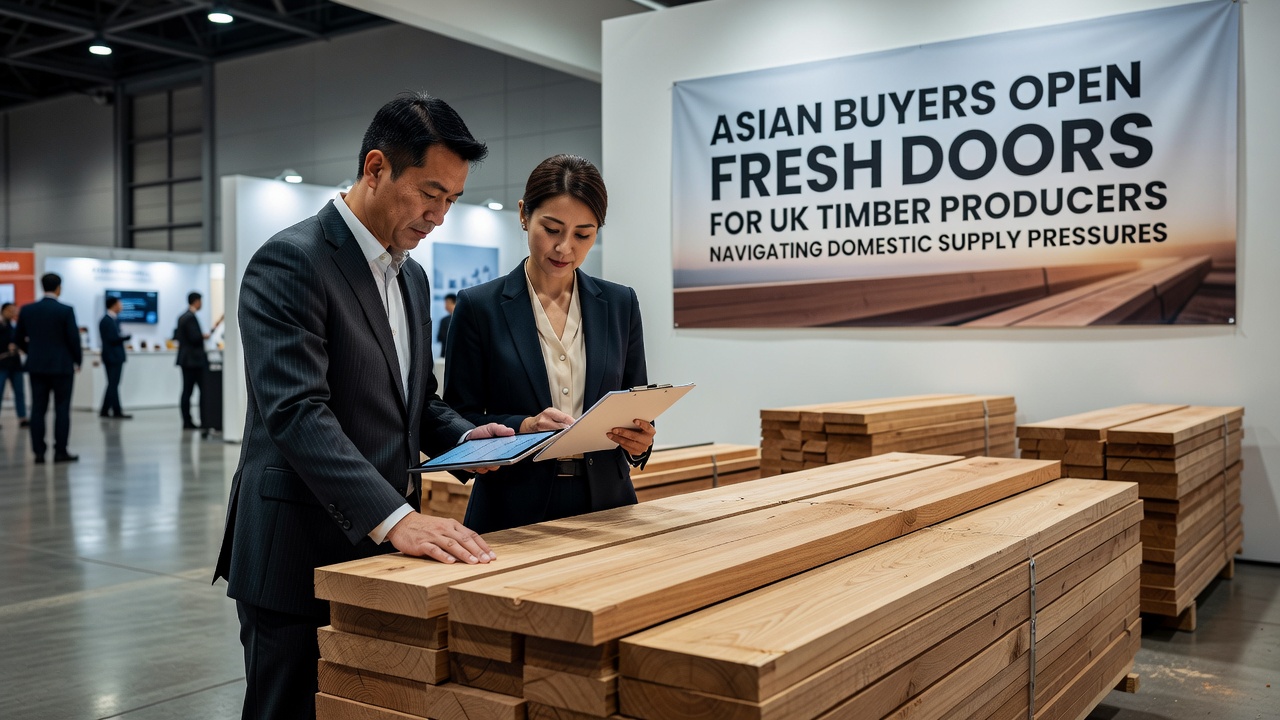
Asian demand centers on specific grades and sizes. Japanese buyers have shown preference for lengths between 3.6 and 4.8 meters with consistent moisture content below 18 percent, while Korean construction firms require documentation proving adherence to chain-of-custody standards. These specifications align with production capabilities already present in many UK facilities, allowing producers to meet requirements without major capital investment.
Certification and Logistics Factors
Certification plays a central role in these transactions. Mills holding PEFC or FSC accreditation gained easier access to Asian tenders, as multiple government procurement policies in the region mandate verified sustainable sources. Observers note that the additional paperwork involved adds roughly two weeks to order cycles, yet the price premiums offered by Asian clients have offset those delays for several operators.
Logistics arrangements have adapted accordingly. Shipping lines operating from Felixstowe and Liverpool introduced dedicated slots for timber containers during the third quarter of 2026, responding to increased forward bookings. Freight rates remained stable compared with 2025 levels, partly because return cargoes of manufactured goods from Asia helped balance vessel utilization.
Regional Examples and Volume Data
Take one producer in Cumbria who redirected 35 percent of quarterly output to a trading house in Busan after local construction firms postponed orders due to project delays. That same producer maintained full kiln utilization by scheduling longer drying runs suited to the lower humidity tolerances required by Korean specifications. Data released by Natural Resources Canada in a parallel market report highlighted similar export rebalancing among North American suppliers, providing context that UK volumes represent a modest but growing share of Asian import baskets.
Further evidence appears in port throughput records. September 2026 throughput at Hull showed a 9 percent rise in timber-related cargo compared with the prior year, with manifests listing increased destinations in Shanghai and Yokohama. These movements occurred alongside steady imports of hardwood from tropical regions, indicating that UK softwood exports filled a complementary rather than competitive niche.
Industry Collaboration and Standards Alignment
Industry associations have facilitated introductions between UK producers and Asian importers. Workshops held in Manchester during summer 2026 covered topics including phytosanitary requirements and moisture measurement protocols, drawing attendance from both UK mill managers and representatives of Japanese trading companies. A separate study issued by the Australian Department of Agriculture documented comparable knowledge-sharing events in the southern hemisphere, underscoring a broader pattern of timber-producing nations adjusting to Asian market preferences.
Price levels for exported material have tracked above domestic averages in several categories. Average transaction values for C16-graded carcassing timber shipped to Japan reached £312 per cubic meter in the August 2026 contracts, exceeding the £278 average recorded for equivalent sales within the UK during the same month. Currency movements contributed to this differential, with sterling weakening against the yen over the summer period.
Conclusion
Records from September 2026 indicate that UK timber producers have established additional sales channels in Asia while domestic supply remains constrained by environmental and regulatory factors. Continued alignment with certification standards and shipping schedules appears necessary for maintaining these flows, as volume data and contract announcements continue to reflect active engagement between the two regions.