Morgan Otto · 2 September 2026
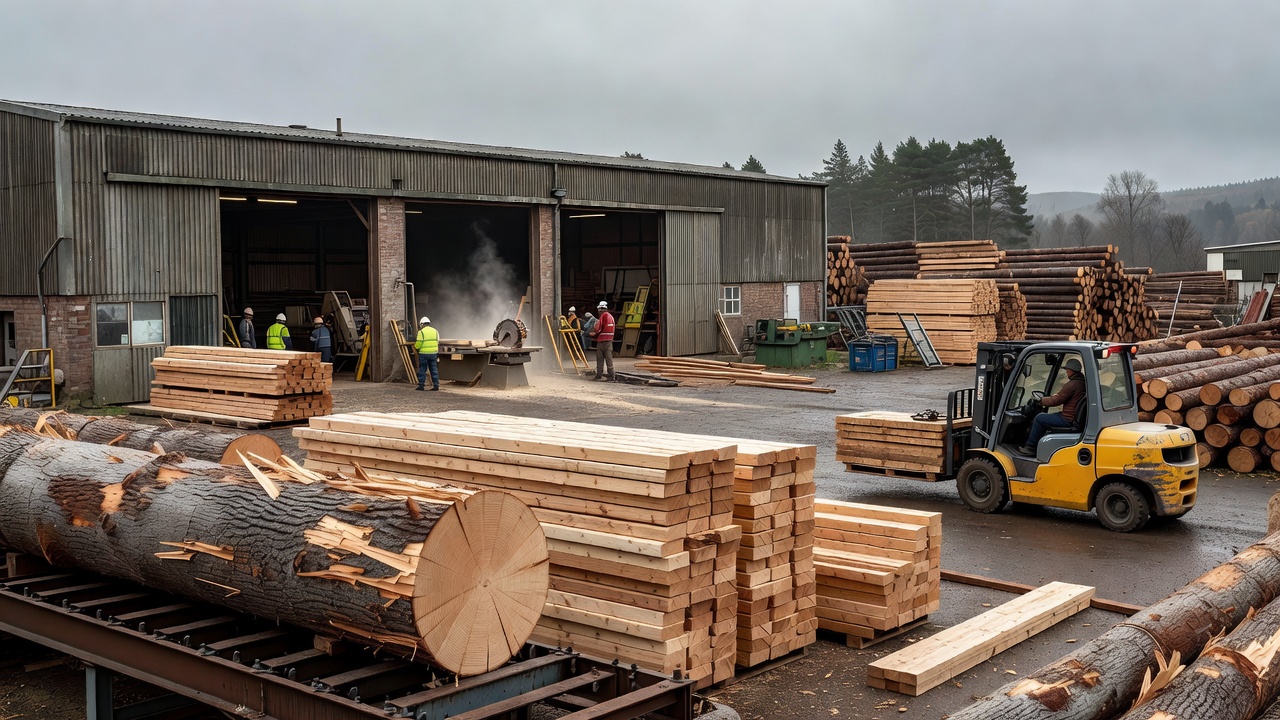
Scottish sawmills have achieved record output levels in the third quarter according to figures from the Softwood Industry Association. Production volumes increased by 22 percent to 1.35 million cubic meters reflecting robust demand in both domestic and international markets. The growth is attributed to favorable weather conditions allowing for increased harvesting and efficient mill operations. Industry leaders attribute this success to investments in modern machinery and skilled workforce development over the past five years. Multiple mills across the Highlands and Borders regions operated at maximum capacity throughout the period.
Key Factors Behind the Surge
Multiple factors contributed to this record performance. Firstly the construction boom in Scotland and northern England has boosted demand for softwood timber used in housing and infrastructure projects. Secondly exports to Germany and the Netherlands have risen sharply due to shortages in European supply. Thirdly government subsidies for renewable energy have encouraged the use of wood residues for biomass optimizing mill efficiency. Sawmill operators report running at full capacity with some facilities operating extended shifts to meet orders. Employment in the sector has grown by 8 percent with over 500 new jobs created in rural areas. Challenges such as log supply shortages were mitigated through better forest management practices and imports from sustainable sources. The average price per cubic meter rose by 12 percent improving profitability for mill owners despite higher operational costs. Data from the Scottish Timber Association confirms the strongest quarterly performance since records began in 2005.
Outlook for the Softwood Sector
Looking ahead experts predict continued growth into the fourth quarter and beyond provided that global economic conditions remain stable. Sustainability remains a key focus with many sawmills adopting certification schemes like FSC to appeal to environmentally conscious buyers. The industry is also investing in digital technologies for inventory management and predictive maintenance to further enhance productivity. Potential risks include fluctuations in currency exchange rates affecting exports and possible regulatory changes post-Brexit regarding timber imports. Overall the record Q3 output signals a positive trajectory for Scotland's softwood industry contributing significantly to the national economy and rural development. Further investments in processing capacity are planned for 2025 to sustain this momentum across the supply chain.